
Software
Working with dates and times in code? Using the wrong format can break applications across different systems. These 10 globally recognized date and time standards ensure compatibility, readability, and cross-platform functionality for developers and IT professionals.
ISO 8601 Standard Date Format
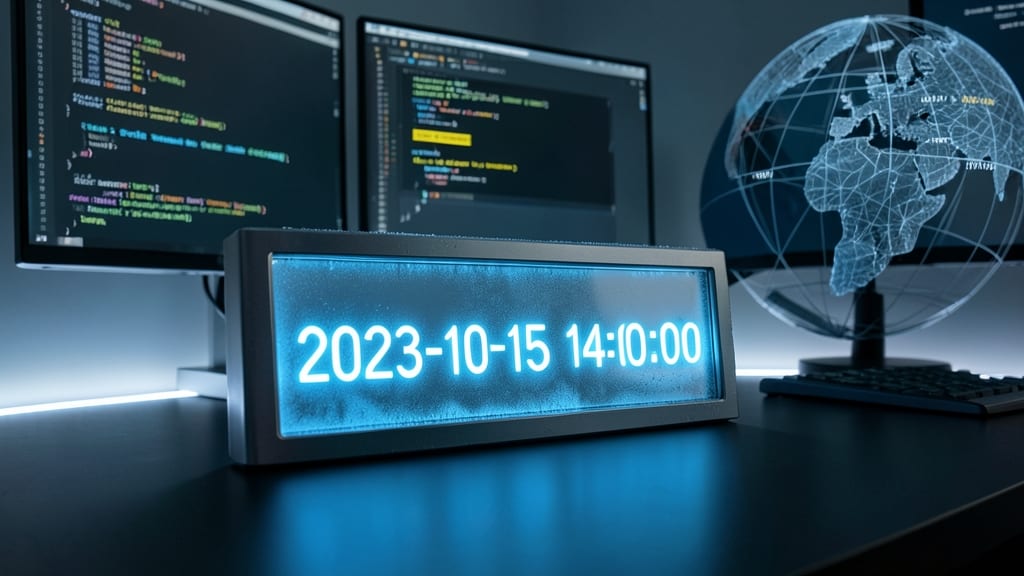
Need a date format that works everywhere—from Python to PostgreSQL, without a hitch? The ISO 8601 standard (YYYY-MM-DD) is the golden ticket for global compatibility. Unlike regional formats (MM/DD/YYYY vs. DD/MM/YYYY), it sorts chronologically when read as text, eliminating parsing errors that plague legacy systems.
This format supports optional extensions like time zones (2023-10-15T14:30:00Z), fractional seconds (14:30:00.123456), and week-based years (2023-W41-5) for precision. Libraries across JavaScript (Date.toISOString()), Java (SimpleDateFormat), and SQL natively support it, while databases like MySQL and Oracle use it as their default for date/datetime fields.
Perfect for global applications, APIs, and databases where consistency trumps localization quirks. It’s the default choice for modern developers who refuse to debug date-related bugs. ⚡
RFC 2822 Internet Date Time Format
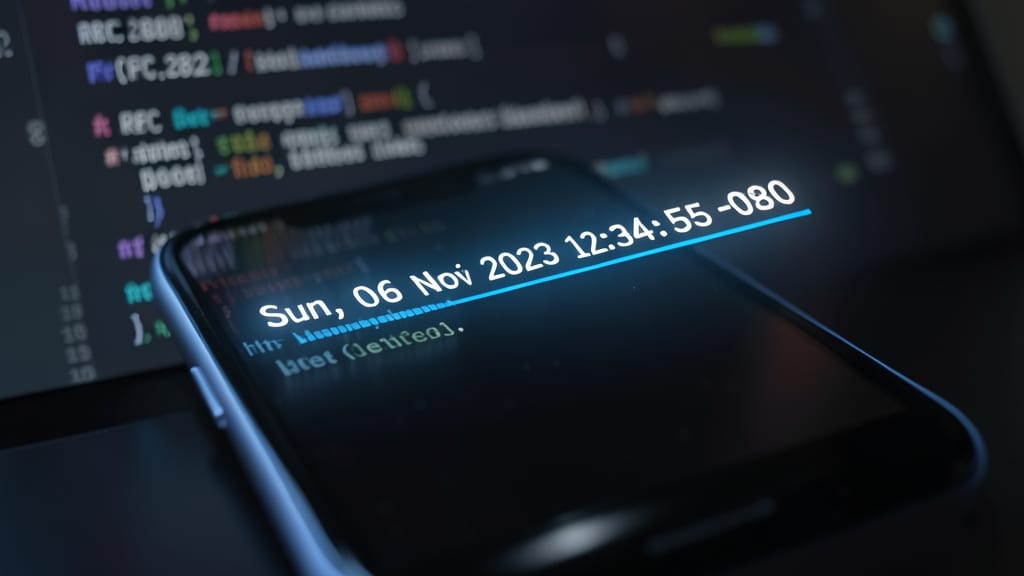
Ever wondered why your emails show timestamps like "Sun, 06 Nov 2023 12:34:56 -0800" instead of clean ISO 8601? That’s RFC 2822—the backbone of email headers and HTTP protocols. Unlike rigid standards, this format balances readability with technical precision, ensuring timestamps work seamlessly across servers, clients, and legacy systems.
The format follows a strict structure: day name (3 letters), date (DD Mon YYYY), time (HH:MM:SS), and timezone offset (±HHMM). Libraries like Python’s email.utils.formatdate() or PHP’s date() function generate it automatically, while tools like Postfix or Exim rely on it for message routing. Even HTTP headers (e.g., Last-Modified) often use RFC 2822 for consistency.
Perfect for developers working with email APIs, SMTP servers, or legacy HTTP systems, this format ensures your timestamps play nice with protocols that predate ISO 8601. ⚡
Unix Epoch Time (Unix Timestamp)
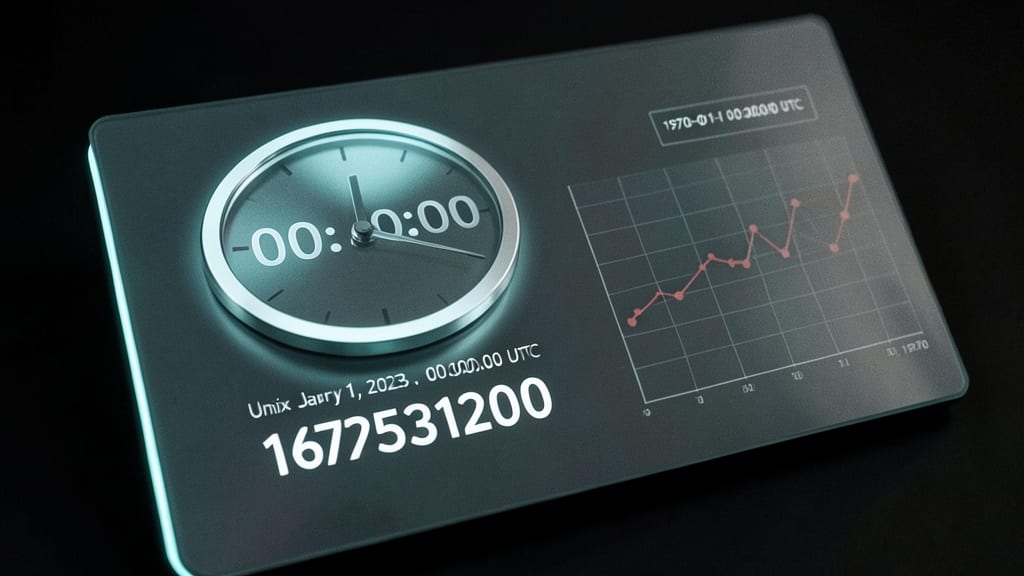
When your application needs to handle time in the most efficient way possible, Unix Epoch Time (or Unix timestamp) is the go-to solution. Unlike human-readable formats, this system stores time as the number of seconds since January 1, 1970, making it ideal for calculations, sorting, and storage.
Used by Linux/Unix systems, APIs like REST, and databases, Epoch Time avoids timezone and localization issues entirely. For example, the timestamp 1699456000 represents November 6, 2023, at 00:00:00 UTC—consistent across all devices. Libraries like Python’s time module or JavaScript’s Date.getTime() simplify conversions to/from readable formats.
Perfect for developers building time-sensitive systems (e.g., logs, analytics, or scheduling), Epoch Time ensures precision without extra parsing overhead. ⚡
ANSI C Date Format
If you're working with C or C++, the ANSI C date format (%Y-%m-%d) is the backbone of time handling in low-level programming. Unlike higher-level abstractions, this format prioritizes raw performance and minimal overhead, making it ideal for embedded systems and legacy codebases where every microsecond counts.
The format uses strftime() functions with specifiers like %Y (4-digit year), %m (month), and %d (day), ensuring consistency across compilers. It’s zero-config for basic parsing and storage, which explains why it’s still the default in RTOS kernels and microcontroller firmware. The simplicity also means fewer edge cases than ISO 8601 for systems with limited resources.
This is the go-to for developers maintaining legacy C code or building resource-constrained applications. 💻
Microsoft Excel Date Format
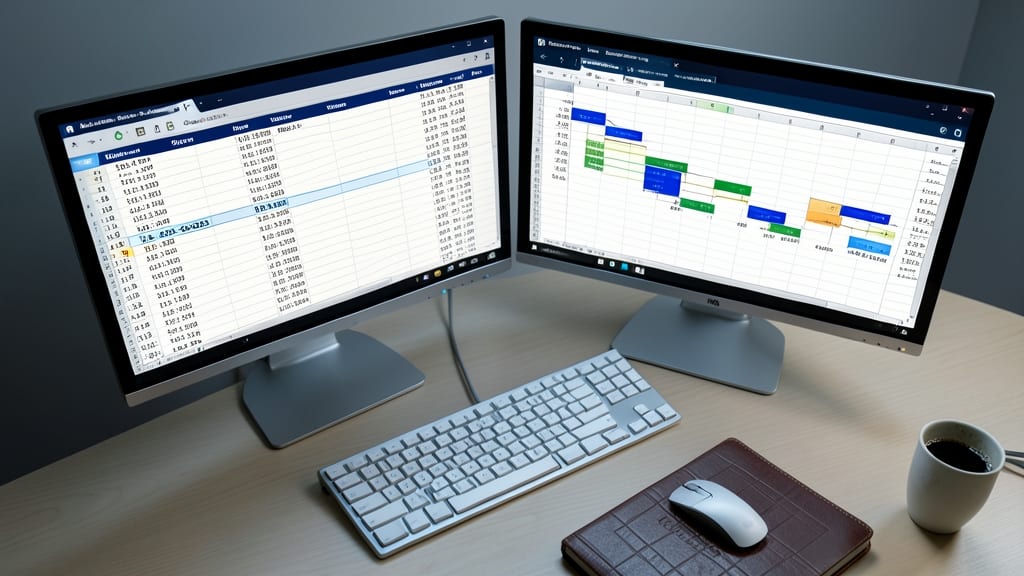
If you spend hours analyzing spreadsheets, the Microsoft Excel date format (like 15-Oct-2023) is your secret weapon. Unlike rigid standards, Excel lets you customize how dates appear while keeping data intact—critical for financial reports, project timelines, or inventory tracking.
Excel’s built-in formats support over 40 predefined styles, from short (15-Oct-2023) to long (October 15, 2023). You can also create custom formats (e.g., DD-MMM-YY) to match client preferences or regional standards. The real power? Automatic sorting and calculations—Excel treats formatted dates as numeric values, so functions like SUM or AVERAGE work flawlessly.
Perfect for accountants, project managers, and data analysts, this format bridges the gap between human readability and machine precision. No need to switch tools—just format once and let Excel handle the rest. ✨
JavaScript Date Object Format

If you're building web apps where timezones matter, JavaScript's Date Object is your go-to tool. Unlike static formats, it dynamically adjusts for local timezones while storing UTC internally—perfect for global applications where user location affects display.
With methods like getFullYear(), toLocaleString(), and toISOString(), you get flexible formatting without manual conversions. It also integrates natively with frameworks like React and Angular, making it ideal for real-time dashboards or scheduling tools where timestamps need to sync across devices.
Front-end developers will love how it handles edge cases like daylight saving time automatically. Perfect for apps where users expect their local time reflected accurately. ✨
SQL Date Format Variations
Tired of queries running slower than expected because of messy date formats? SQL databases like MySQL, PostgreSQL, and SQL Server thrive on standardized date formats like '2023-10-15 14:30:00'—a structure that boosts indexing speed and simplifies filtering.
Each database has its quirks: MySQL defaults to 'YYYY-MM-DD HH:MM:SS', PostgreSQL supports ISO 8601 with timezone offsets, and SQL Server uses ODBC canonical format for consistency. Using these native formats cuts parsing overhead and ensures seamless joins across tables.
Perfect for backend developers and data engineers building high-performance databases where query speed matters most. ⚡
Human-Readable Date Formats
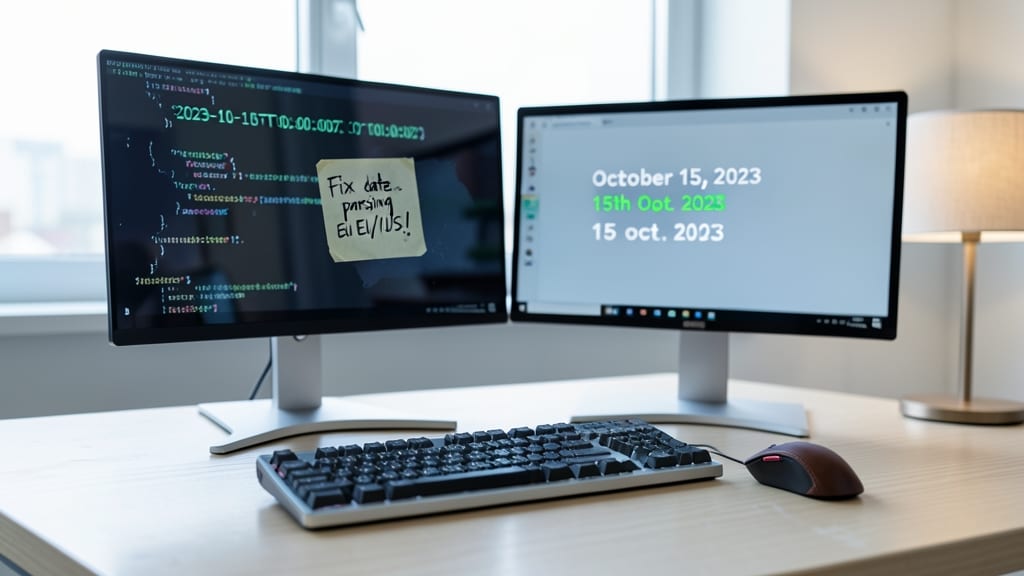
Tired of dates confusing your users—or worse, breaking your app in different regions? Human-readable formats like "October 15, 2023" or "15th Oct 2023" bridge the gap between technical systems and real-world usability. Unlike rigid standards, these formats prioritize clarity and localization, making them ideal for user-facing applications where readability matters most.
They support ordinal suffixes (e.g., "1st," "2nd," "3rd") for natural language flow and adapt seamlessly to 12+ languages, including right-to-left scripts like Arabic or Hebrew. Libraries like Moment.js or date-fns simplify implementation, while frameworks like React can auto-localize dates based on user settings. Perfect for calendars, invoices, or dashboards where users—not machines—are the audience.
Developers building global consumer apps or internal tools for non-technical teams will find these formats indispensable. They’re the unsung heroes of user experience, turning timestamps into intuitive interactions. ✨
JSON Date-Time Format

When your API needs to speak the same language globally, the JSON Date-Time Format (/Date(1699456000)/) is the go-to choice. Unlike human-readable formats, this standardized encoding ensures seamless parsing across languages and platforms, making it ideal for microservices and cloud-native applications.
Built on Unix epoch seconds but wrapped in a JSON-compatible syntax, it resolves timezone ambiguity and integrates effortlessly with frameworks like .NET or Node.js. The format’s simplicity—just a numeric value after "/Date()"—reduces parsing overhead while supporting fractional seconds for precision. Libraries like jQuery even include built-in parsers for this format.
Perfect for backend developers building scalable APIs or frontend teams consuming RESTful services, this format eliminates guesswork in cross-platform deployments. 💻
24-Hour Military Time Format

When every second counts—like in aviation, military logistics, or hospital schedules—the 24-hour military time format (e.g., 1430 for 2:30 PM) eliminates ambiguity and ensures global synchronization. Unlike AM/PM systems, this format removes confusion across time zones and languages, making it the gold standard for high-stakes operations.
You’ll recognize it by its four-digit structure (HHMM), where 0000 marks midnight and 2359 signals the final minute of the day. Systems like FedEx tracking, NASA mission logs, and ICU patient charts rely on this format to avoid miscommunication. Even modern software (e.g., Python’s strftime or Java’s SimpleDateFormat) supports it natively for precision-critical applications.
Perfect for developers building global logistics platforms, healthcare software, or flight scheduling tools, this format cuts down on errors and streamlines international coordination. 💪