
Troubleshooting
Posting too much online can turn your social media accounts into ticking time bombs. These 10 real-life dangers of oversharing reveal how a single post can expose you to identity theft, legal trouble, or even physical harm - and why privacy settings aren't always enough.
Identity Theft Through Location Sharing
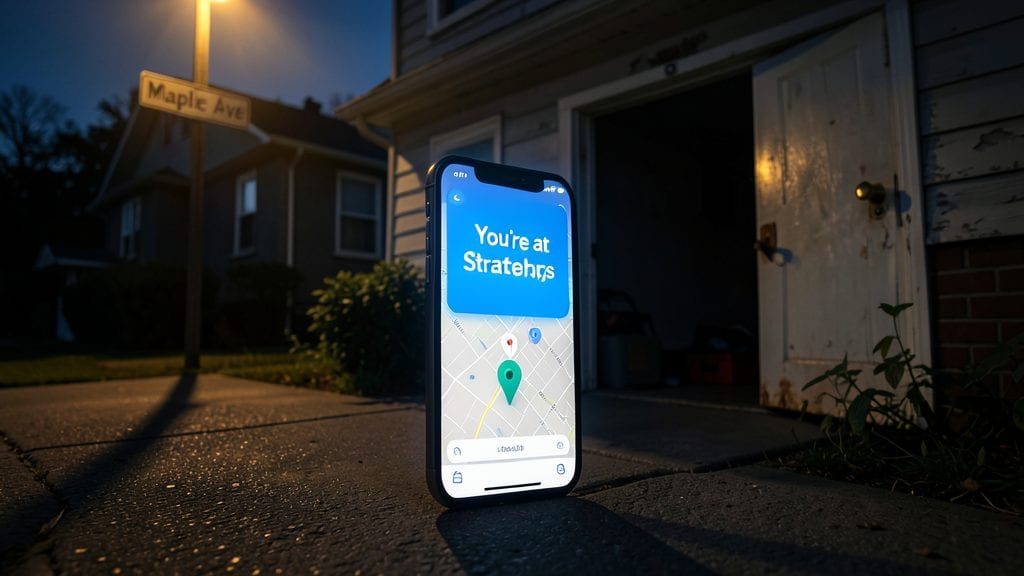
Your "Check In" post might just be an open invitation to burglars. When you tag your location at the gym, coffee shop, or vacation spot, you’re broadcasting when your home is empty—and criminals are paying attention.
Platforms like Facebook, Instagram, and Snapchat automatically share location data unless disabled, and even "private" posts can be scraped by third-party apps. A 2023 study found that 37% of burglars admitted to using social media to scout targets, with vacation posts being the most dangerous trigger. Even "check-ins" at work can reveal your routine, making your home a predictable target.
Homeowners and renters should disable location services entirely for social apps, use two-factor authentication to prevent account takeovers, and avoid posting real-time updates. A little privacy goes a long way in keeping your property—and peace of mind—secure. 🔧
Job Loss From Career Oversharing
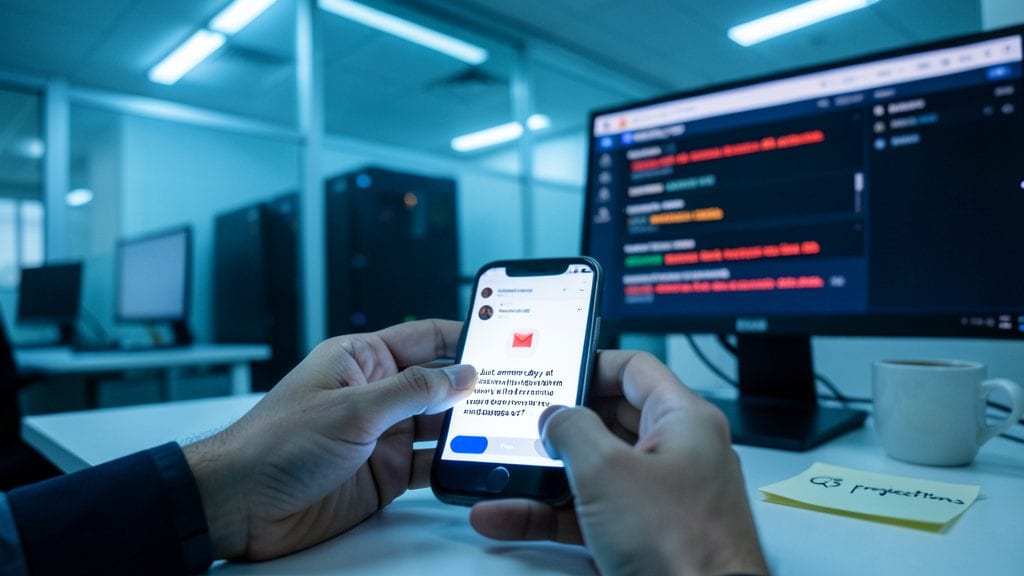
Your next career move might start with a single complaint post about your boss or a casual mention of company strategies. Many employers now use third-party monitoring tools like Brandwatch or Hootsuite Insights to track employee social media activity, scanning for red flags that could violate NDAs or damage company reputation.
Industries like tech, finance, and healthcare are particularly aggressive—one 2022 LinkedIn report found that 43% of HR departments had terminated employees over social media violations. Even "private" posts can resurface in legal battles, while rants about coworkers might escalate into workplace harassment claims. The risk isn’t just job loss; it’s blacklisting from future opportunities in your field.
Freelancers, remote workers, and candidates in competitive roles should treat social media like a live interview. Before posting, ask: Could this harm my employer or future clients? A simple audit of your profiles for work-related content could save your career. 💻
Stalking Risks From Personal Routines
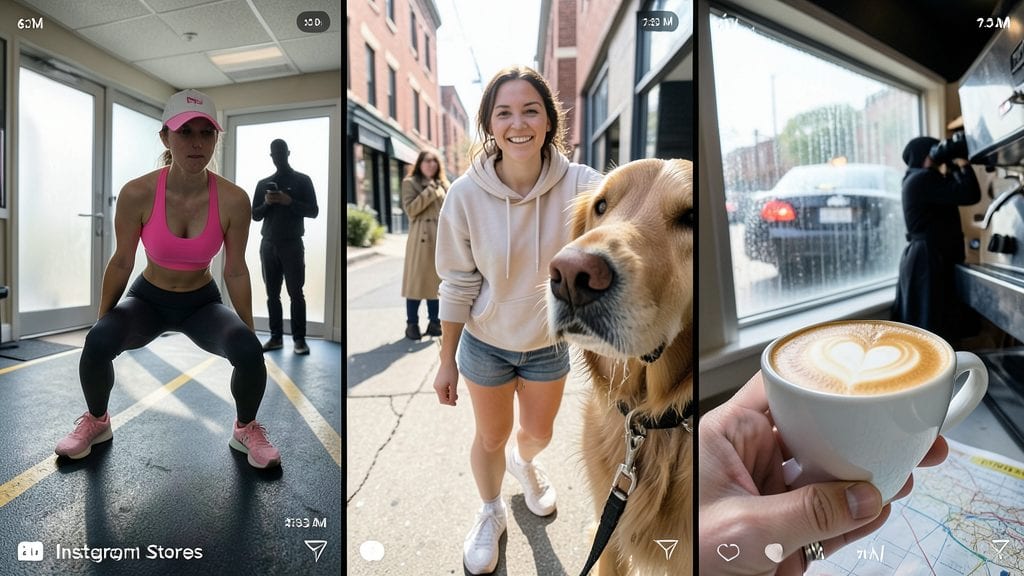
Your daily gym check-ins, pet-walking selfies, or morning coffee routines might seem harmless—but they’re goldmines for predators. Stalkers don’t need hacking skills when you broadcast your predictable patterns like "Every Tuesday at 6 PM" or "Dog walks at 7:30 AM sharp."
Platforms like Instagram Stories and Facebook Check-Ins leave digital breadcrumbs that reveal when you’re home alone, where you frequent, and even your travel routes. A 2023 study found that 43% of stalking cases started after victims shared routine-based posts, turning public updates into real-world tracking tools. Even "private" posts can be screenshotted or shared.
If you’re a single parent, pet owner, or small business owner, this risk escalates—stalkers target those with fixed schedules or valuable assets. Before posting, ask: Could this help someone plan my movements? A 24-hour delay and location services off by default can make all the difference. 💻
Financial Scams Through Life Events
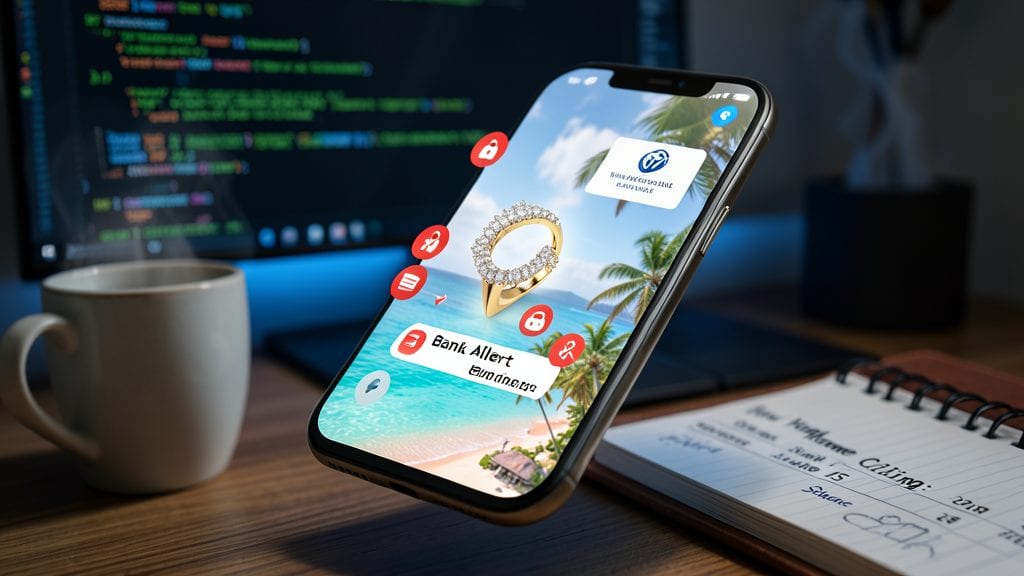
Celebrating a big life moment? Scammers are listening—and they’ll strike fast. Announcing an engagement, new home, or vacation instantly flags you as a target for hyper-personalized phishing schemes. These attacks often mimic trusted service providers (like "your" bank, travel agency, or even a "congratulatory" gift card scam) to extract payment details or personal data.
Fraudsters use real-time social media scraping to craft emails or calls that reference your recent posts. For example, a fake "wedding vendor" might demand a deposit after you announce your engagement, or a "hotel reservation" scam could appear days before your trip. Even public event RSVPs (like graduations or housewarmings) trigger these attacks, with scammers posing as "suppliers" needing immediate payment.
This risk isn’t just for individuals—small business owners announcing expansions or new locations face similar scams targeting their company accounts. Always verify unexpected requests via official channels, never click links in unsolicited messages, and consider a 24-hour delay before posting major life updates. ✨
Legal Liability From Workplace Posts
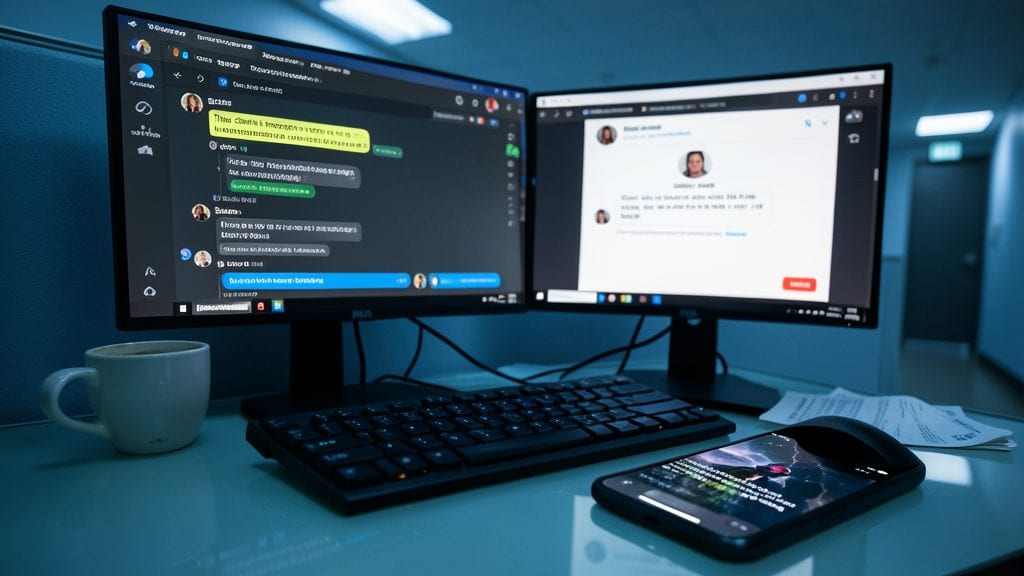
That casual rant about your company’s "terrible clients" in a private Slack group might seem harmless—until a screenshot leaks and lands you in a non-disclosure agreement (NDA) lawsuit. Even encrypted chats or "secret" LinkedIn messages aren’t safe: courts have ruled that employees can be held liable for breaching confidentiality agreements by discussing proprietary data, client strategies, or internal processes.
Industries like finance, healthcare, and tech enforce strict digital policies, often monitored via AI tools that flag suspicious discussions. A single misplaced comment about a client’s financial struggles or unreleased product specs could trigger a $50,000+ settlement—or worse, termination. Even "off-the-record" stories to friends can resurface during investigations, thanks to screenshots, DM archives, or workplace surveillance software.
Freelancers and remote workers face extra risk: contractors without NDAs are still bound by ethical standards, and a leaked post could void projects. Always assume everything is permanent—and when in doubt, ask HR or legal before posting. 💻
Emotional Blackmail Through Relationship Posts
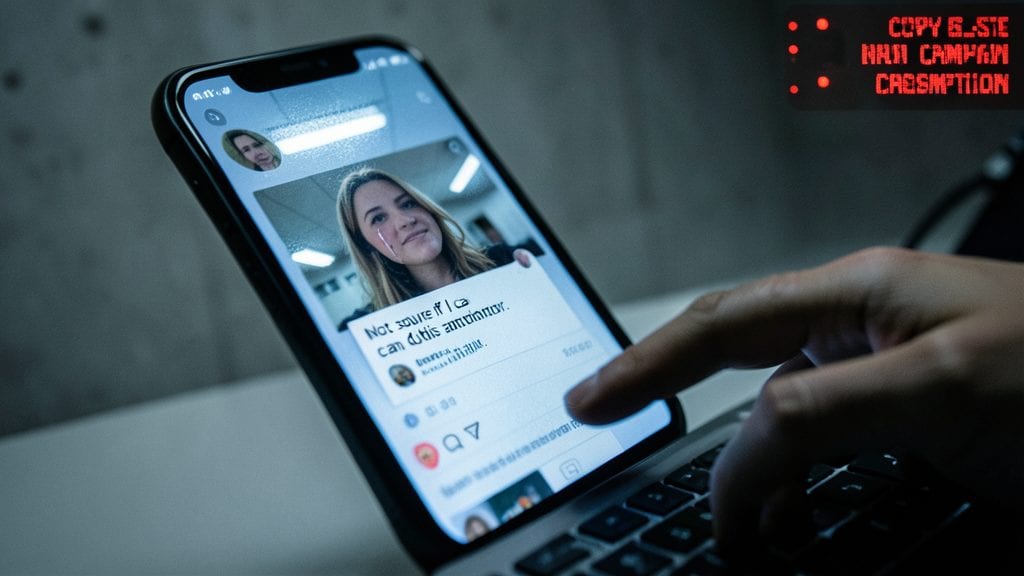
Your public relationship status isn’t just a personal detail—it’s a digital leverage point for manipulative partners. Posts about breakups, arguments, or even subtle hints about dissatisfaction can be weaponized to guilt-trip, coerce, or escalate conflicts into harassment campaigns.
Manipulators exploit public posts to pressure you into compliance, while ex-partners may harass you or your network after breakup announcements. Platforms like Facebook and Instagram lack robust tools to block ex-partners from seeing your activity, leaving you vulnerable. Even "private" posts can be screenshotted or shared without your consent.
If you're in a volatile relationship, consider archiving posts or using third-party privacy tools like Burner Accounts for dating profiles. Always review audience settings before posting—what feels harmless in the moment can become a digital weapon. 💪
Phishing Attacks Using Personal Photos
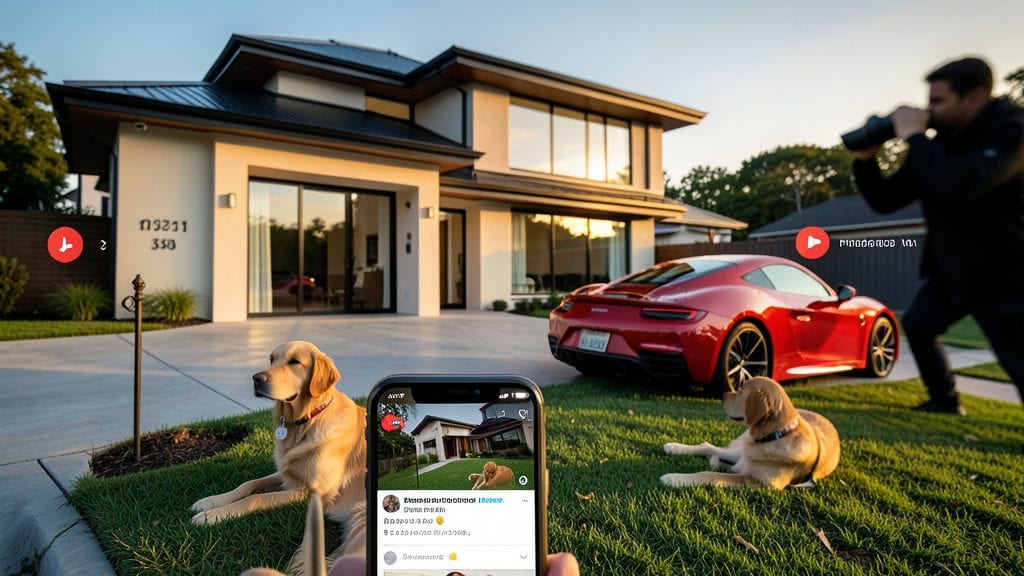
Your vacation photos of your dream home or that new car you just bought aren’t just for memories—they’re goldmines for scammers. Cybercriminals scour social media for tagged photos of your home address, vehicle models, or even pet breeds to craft hyper-personalized phishing attacks.
Imagine receiving a late-night call from someone claiming to be your insurance agent or a police officer, saying your home was vandalized or your car was in an accident. They’ll demand immediate bank transfers or passwords to "verify your identity." These scams exploit the trust you’ve built with real-life details from your posts—details you’d never share with strangers. Even seemingly harmless pet photos can reveal your daily routines or neighborhood.
Parents, pet owners, and homeowners are especially vulnerable, as these photos often include geotags or recognizable landmarks. Always review photo permissions before posting, and enable two-factor authentication on all accounts to add an extra layer of protection. 💻
Insurance Fraud Through Health Updates
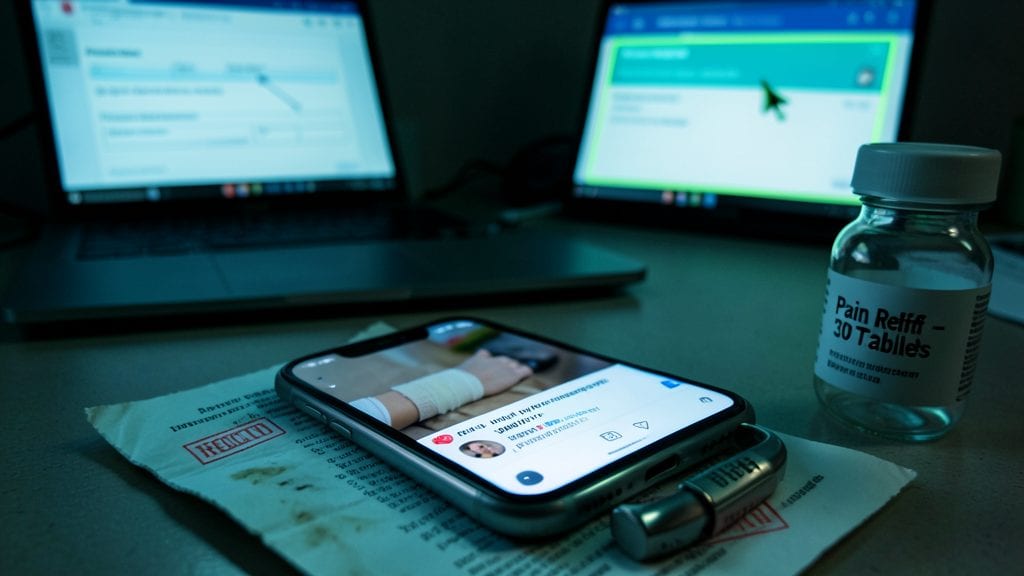
A single post about your recent injury or medical procedure might seem harmless—but it could become the key to fraudsters filing false insurance claims in your name. Criminals scour social media for details like hospital visits, surgeries, or chronic conditions to fabricate claims, leaving you to deal with the financial and legal fallout.
Platforms like Facebook and Instagram often lack real-time fraud detection for health-related posts, making them prime targets. Even vague updates ("recovering from surgery") can be enough for scammers to create fake medical records or exploit gaps in insurance verification systems. Worse, some fraudsters use this info to target your health insurance provider directly, draining your benefits or leaving you with unpaid bills.
This risk isn’t just theoretical—cases have surged where patients discovered fraudulent claims tied to their social media activity. If you’ve posted about health issues, assume fraudsters have too. Always check privacy settings and avoid sharing details until your case is fully resolved. 💡
Reputation Damage From Unfiltered Opinions
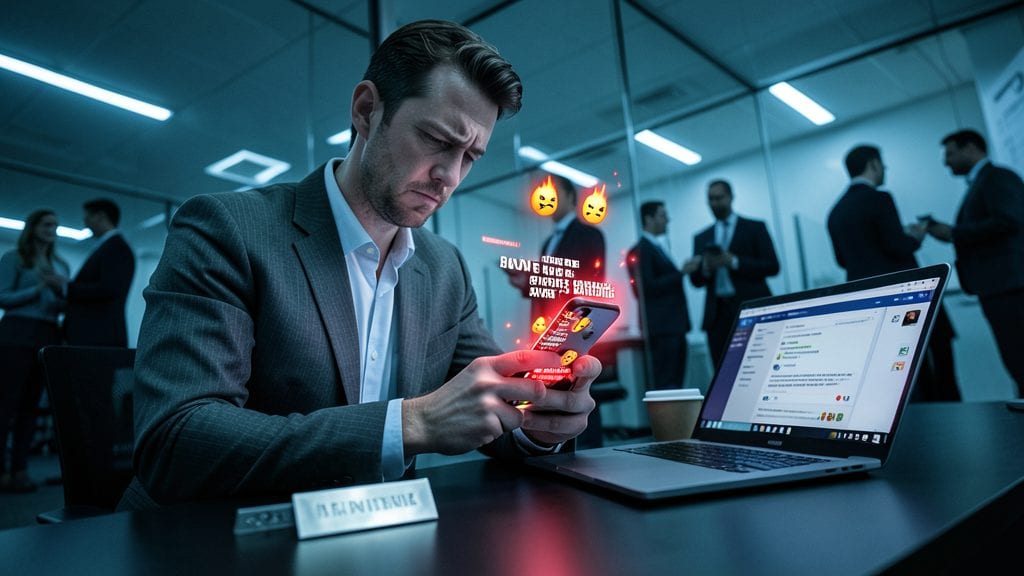
That one viral rant about your boss or client might feel cathartic in the moment—but it could erase years of professional credibility in minutes. A single unfiltered post can trigger career-ending backlash, especially when algorithms amplify it to industry peers, clients, or even competitors.
Platforms like LinkedIn and Twitter prioritize engagement over context, meaning a heated comment about workplace drama can resurface during job searches or client reviews. Even "private" groups aren’t safe: screenshots and leaks turn internal frustrations into public scandals, damaging your personal brand and limiting future opportunities. One misstep can cost you collaborations, promotions, or even your current role.
Freelancers, executives, and creatives are most vulnerable—your reputation is your currency, and social media lacks a "delete button" for professional consequences. Think twice before posting. ✨
Child Safety Risks From School Posts
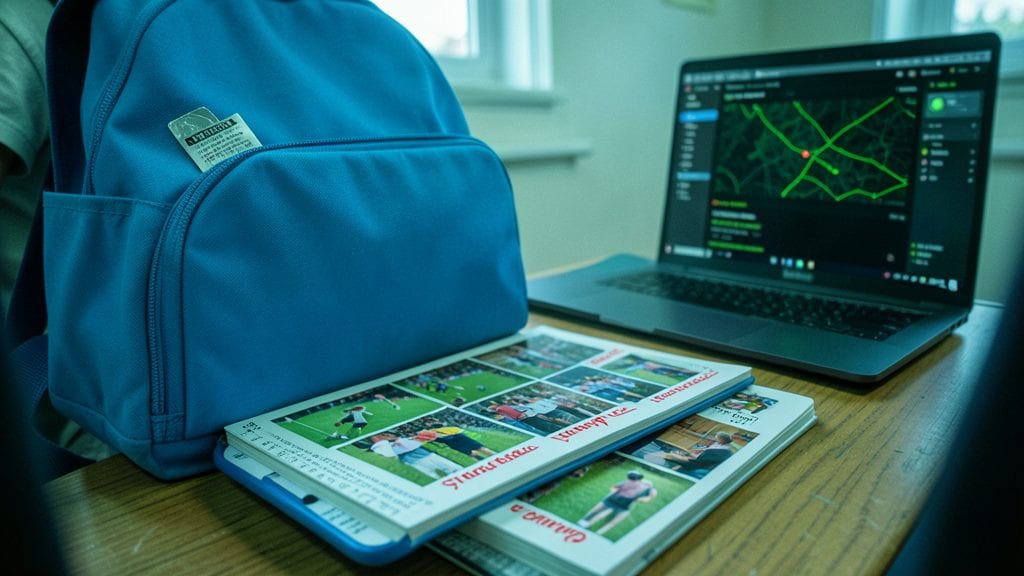
One seemingly innocent post can turn your child’s school life into a digital red flag for predators. Sharing school names, bus schedules, or photos of activities might seem harmless, but it creates a digital breadcrumb trail that predators actively scan for vulnerable targets.
Predators often use geotagged photos or school mentions to identify routines, like bus stops or after-school programs. A single post revealing a school’s name or mascot can expose your child to targeted grooming attempts on platforms like Instagram or Facebook. Even private groups aren’t foolproof—screenshots and data leaks can spread faster than you realize.
Parents of school-age children should treat school-related posts like private medical records. Use platform privacy tools to restrict visibility, avoid posting real-time locations, and review school policies on sharing student info. A little caution now can prevent heartbreaking consequences later. 💻