
Software
Mastering Microsoft Word 2010 starts with understanding its ribbon interface. These 10 essential components of the Word 2010 window will transform how you navigate, format, and produce professional documents efficiently.
Quick Access Toolbar Customization Options
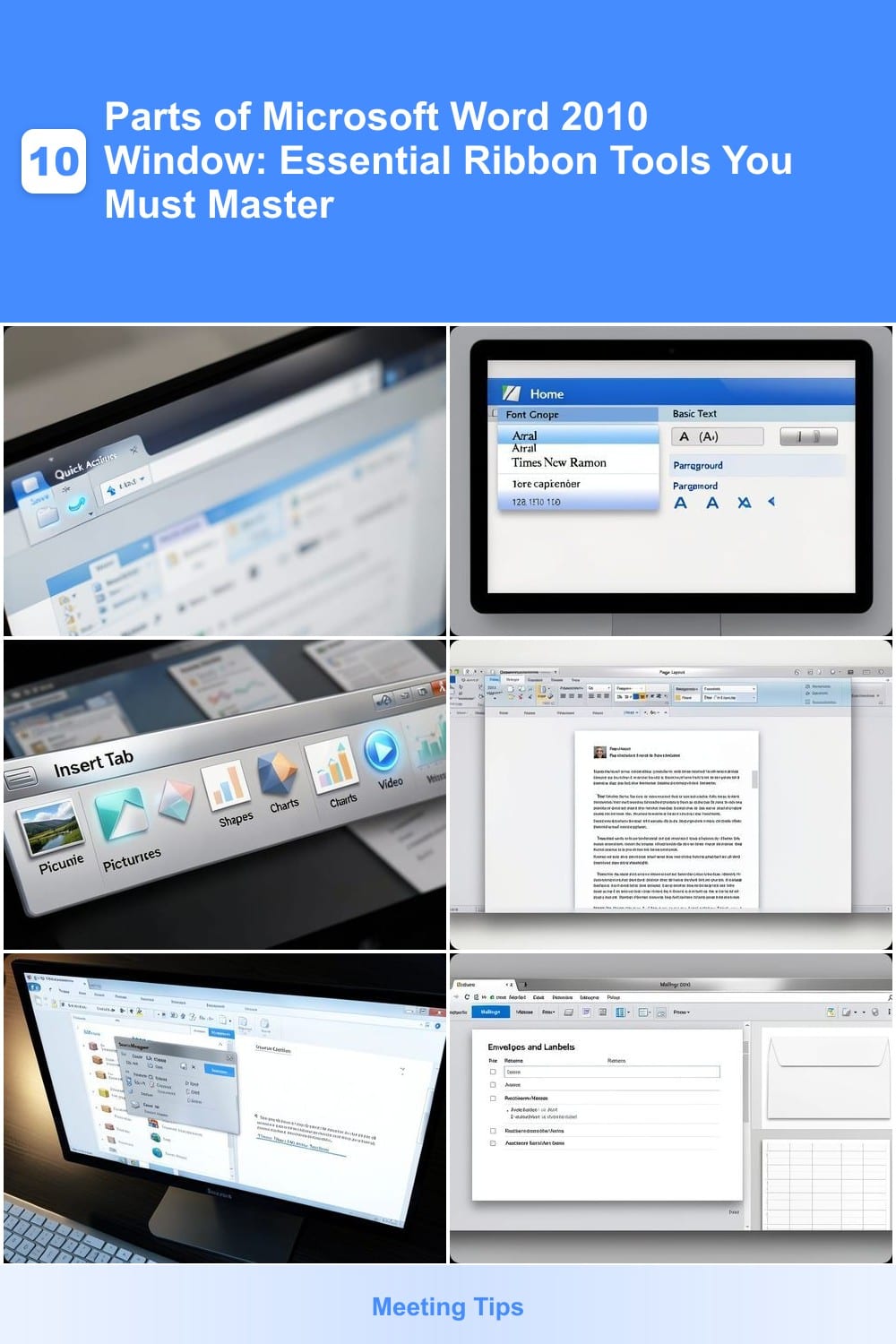
If repetitive tasks like saving or undoing actions are eating into your productivity, the Quick Access Toolbar in Word 2010 is your secret weapon. Located at the top-left corner, this customizable toolbar lets you pin your most-used commands—like Save, Undo, or Redo—for instant access, no matter which tab you’re on.
Right-click the toolbar to add or remove commands from a dropdown menu of over 50 options, including Zoom, Font Size, and Quick Print. You can even customize its location (above or below the ribbon) to suit your workflow. The best part? These shortcuts stay visible across all documents, making them ideal for power users who prioritize speed.
Perfect for freelancers juggling deadlines, students editing essays, or professionals managing documents daily, this toolbar cuts down on unnecessary clicks and keeps your workflow fluid. ⚡
Home Tab File Formatting Tools
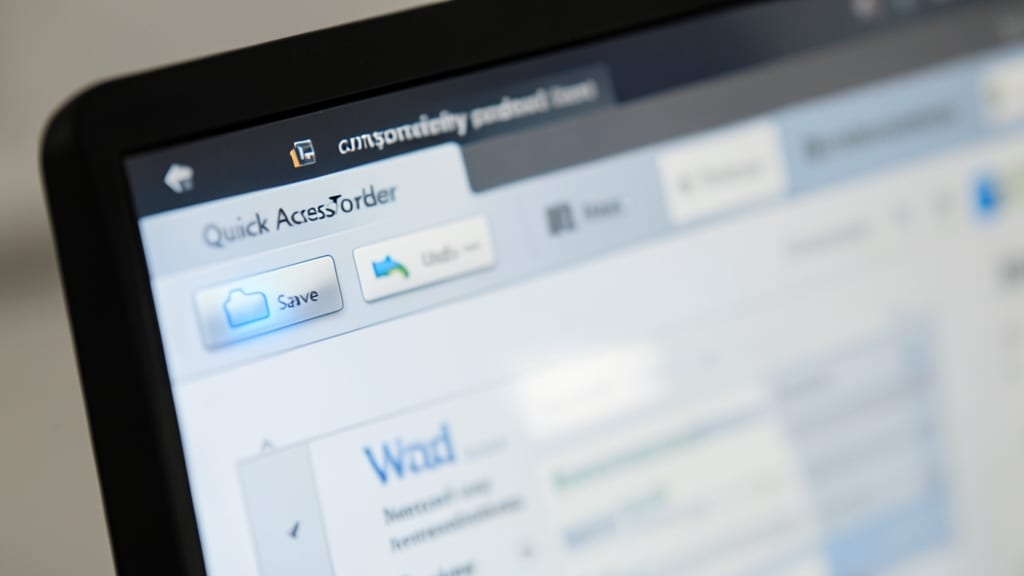
Struggling to keep your documents consistent without diving into complex formatting? The Home tab in Word 2010 is your go-to hub for quick, beginner-friendly text and paragraph styling—no advanced skills required.
Here, you’ll find everything from bold and italics to font selection (like Arial or Times New Roman) and paragraph alignment (left, center, justified). The Styles dropdown lets you apply pre-formatted templates—like Heading 1, Title, or Normal—to maintain consistency across multi-page documents. Even the Bullets and Numbering tools are just a click away, perfect for lists or outlines.
This tab is ideal for students formatting essays, small business owners creating flyers, or anyone who wants clean, professional documents fast. No more guessing at font sizes or margins—just point, click, and watch your text transform. ✨
Insert Tab Media and Object Controls
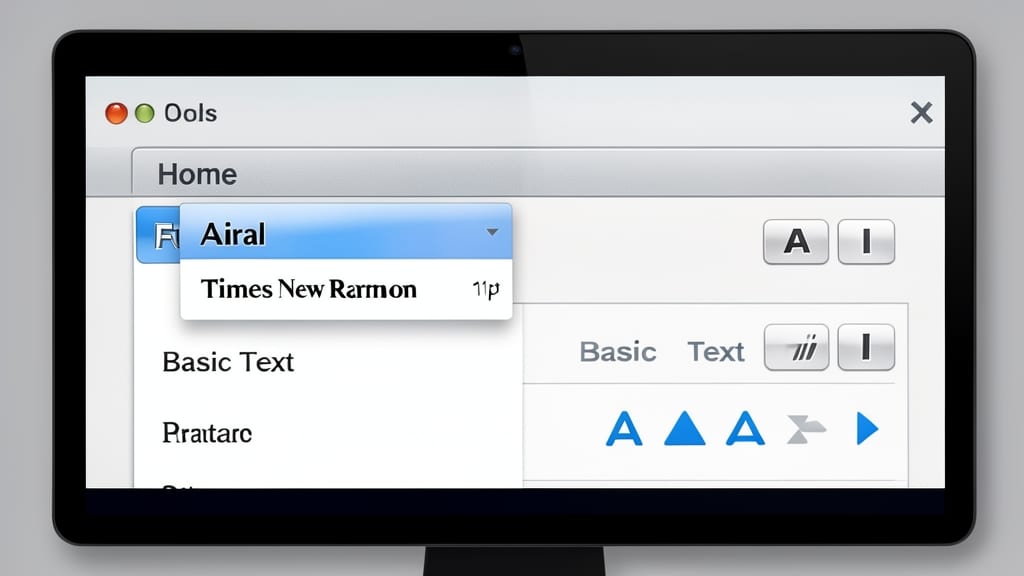
Tired of juggling external tools just to add visuals to your documents? The Insert Tab in Word 2010 is your one-stop shop for embedding images, charts, and multimedia directly into your work—no third-party software required.
Here, you’ll find everything from Pictures and Shapes to Charts and Video, all with drag-and-drop simplicity. Need a quick infographic? Insert a SmartArt graphic in seconds. Want to include a screenshot or clip art? Done. Even audio and video files can be embedded seamlessly, making presentations pop without extra steps.
This is the go-to tool for teachers creating lesson plans, business professionals designing reports, or students crafting visually rich essays. Say goodbye to messy cut-and-paste workarounds! ✨
Page Layout Tab Margins and Orientation
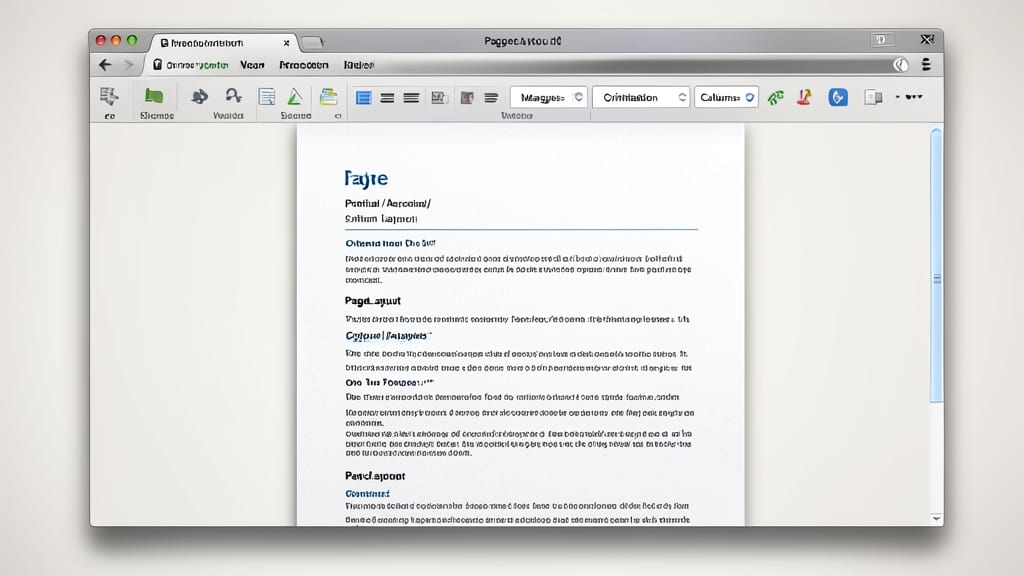
First impressions matter—especially in documents like resumes or formal letters. The Page Layout tab in Word 2010 gives you precise control over margins, orientation, and columns, ensuring your content looks polished and professional before it ever reaches the printer.
Adjust normal, wide, or narrow margins in seconds, or switch between portrait and landscape orientation with a single click. For multi-column layouts (like newspapers or brochures), the Columns tool lets you divide text into 2, 3, or even custom layouts—no manual spacing required. The Page Color option adds subtle visual interest without cluttering your design.
This tab is a lifesaver for job seekers formatting resumes, small business owners designing flyers, or anyone who needs to ensure their printed documents align perfectly with industry standards. ✨
References Tab Citations and Table Tools
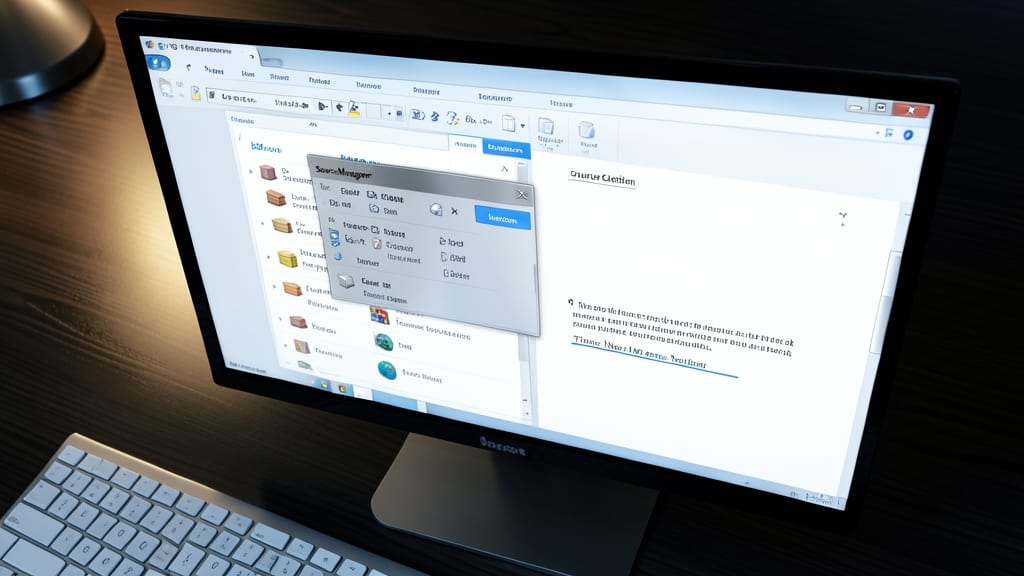
Tired of manually formatting citations and footnotes in your research papers or reports? The References tab in Word 2010 is your secret weapon for handling citations, bibliographies, and tables of contents with ease.
Here, you can insert citations directly from a source manager, generate footnotes, and auto-create a table of contents that updates as your document evolves. The Bibliography tool even lets you choose from predefined citation styles—like APA or MLA—so your paper looks polished and professional without the hassle.
Perfect for students, researchers, or anyone juggling referenced sources, this tab ensures your work meets academic standards while saving hours of manual formatting. ✨
Mailings Tab for Envelopes and Labels
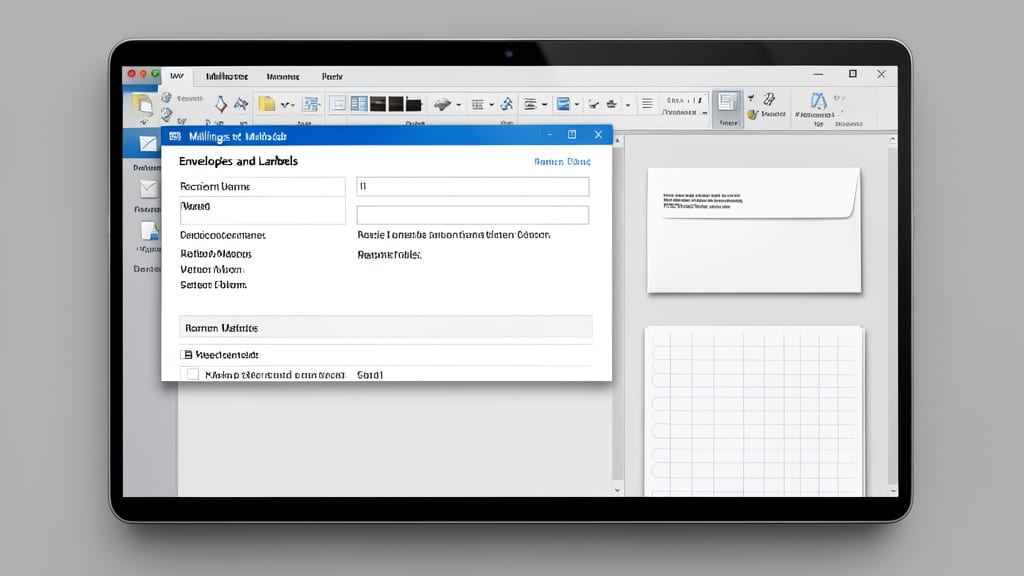
Tired of manually addressing envelopes or printing labels for bulk mailings? The Mailings tab in Word 2010 turns this tedious task into a breeze with built-in tools designed for precision and speed.
With just a few clicks, you can generate professionally formatted envelopes or address labels directly from your document’s data. The Merge to Printer feature lets you print multiple envelopes at once, while the Label Options dialog ensures perfect alignment and layout for any label size. Importing address lists from Excel or other sources keeps your data organized and error-free.
Perfect for small businesses sending invoices, nonprofits mailing newsletters, or anyone managing personal correspondence at scale. Your next mailing stack will be ready in minutes—not hours. ✨
Review Tab Proofing and Tracking Tools
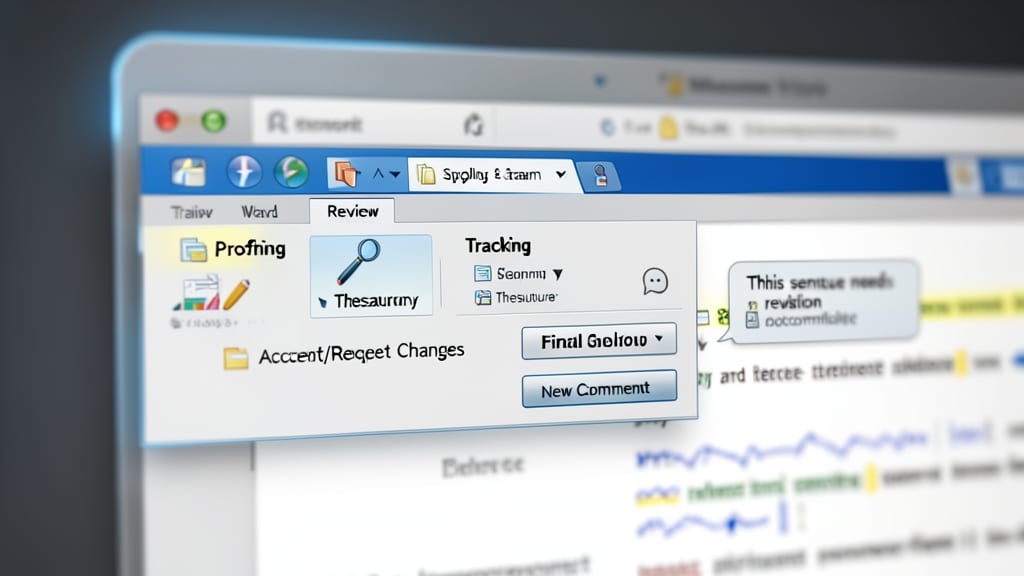
Collaborating on documents just got smoother with the Review tab—your command center for proofing, tracking changes, and adding comments. Whether you're working on a team project, editing a colleague's draft, or refining your own work, this tab ensures clarity and accountability every step of the way.
Use the Spell Check tool to catch typos and grammar errors in seconds, while Track Changes lets you mark edits with timestamps and author names—perfect for seeing how a document evolves over time. Add comments directly in the margin for feedback without cluttering the main text, and accept or reject changes with a single click. The Compare feature even lets you merge two versions of a document side by side.
This tab is a must for writers, editors, and team leaders juggling multiple contributors. No more back-and-forth emails—just a clean, organized workflow to keep everyone on the same page. ✨
View Tab Document Navigation Modes
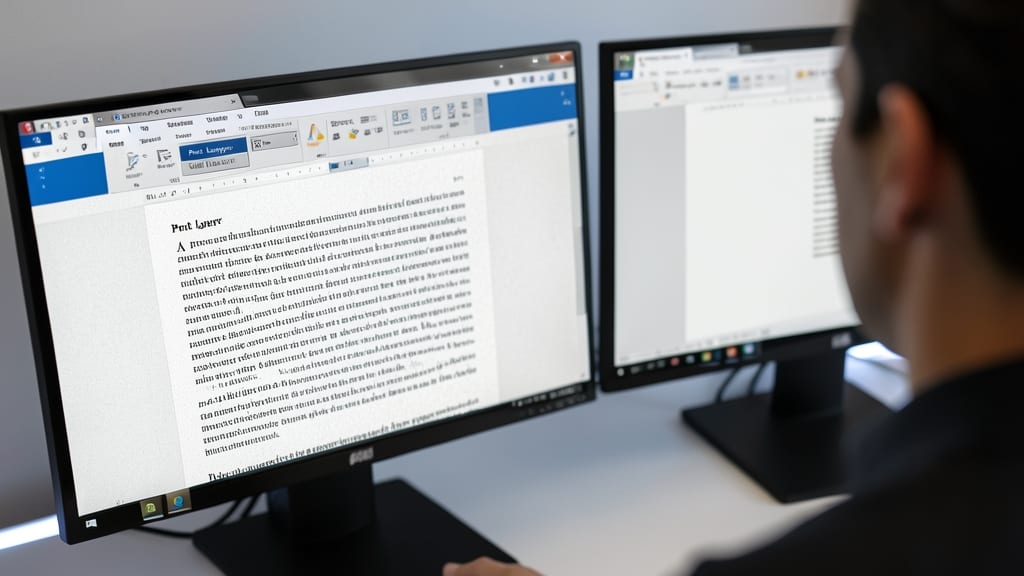
Need to see how your document will look when printed—or how it’ll render online? The View tab’s navigation modes let you toggle between Draft, Print Layout, and Web Layout with a single click, ensuring you catch formatting issues before sharing.
Draft view strips away distractions for distraction-free writing, while Print Layout shows margins, headers, and page breaks exactly as they’ll appear when printed. For web content, Web Layout displays text wrapping and images as they’d render in a browser. These modes are especially useful for designers, marketers, and educators who need to verify layouts across different media.
Whether you’re finalizing a resume, designing a newsletter, or publishing an online article, these views help you avoid last-minute surprises. ✨
Developer Tab for Custom XML and Macros
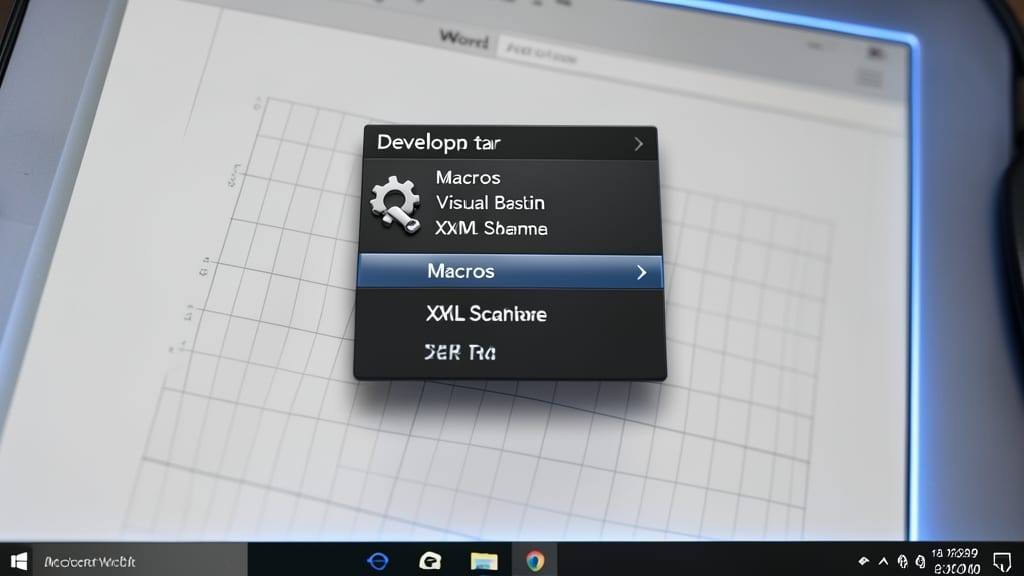
Tired of repetitive tasks in Word 2010? The Developer tab is your secret weapon for automation and customization, letting you create macros to handle complex workflows with a single click.
Here, you can dive into Visual Basic for Applications (VBA) to write custom scripts, edit XML schemas for structured documents, or even add custom controls like dropdowns and checkboxes. The Document Object Model (DOM) support lets you manipulate text, tables, and formatting programmatically—ideal for generating reports or processing bulk documents.
Perfect for developers, IT admins, or power users who need to extend Word’s capabilities beyond standard features, this tab transforms Word into a customizable powerhouse. ✨
Status Bar Customization Options
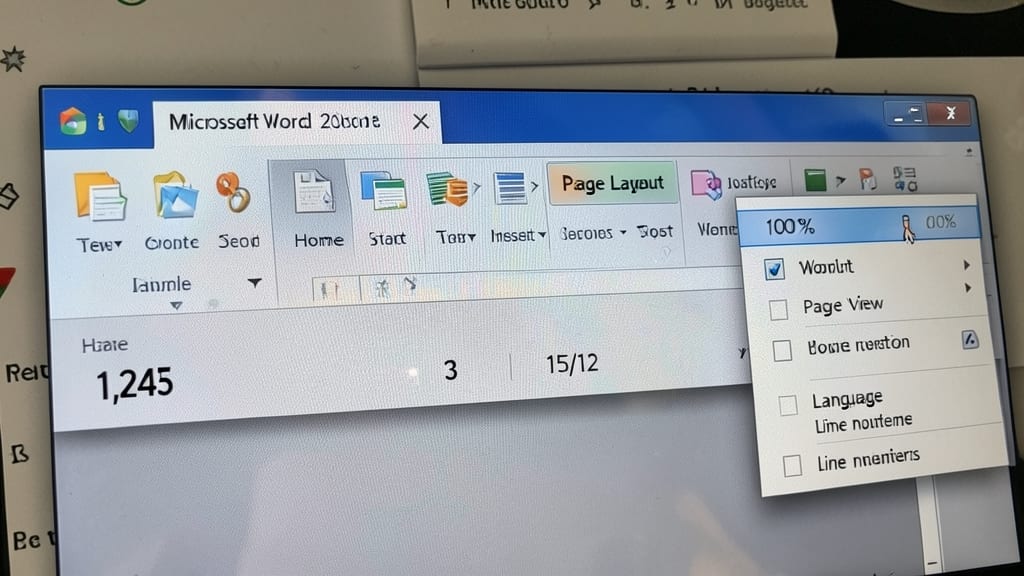
Ever lost track of your document’s progress mid-editing? The Status Bar in Word 2010 is your real-time dashboard, displaying word count, page number, and line/column numbers—no need to scroll to the bottom or guess how long your essay is.
Right-click the Status Bar to customize what appears: toggle zoom controls (adjust text size instantly), enable view buttons (switch between Draft, Print Layout, or Web Layout), or add language indicators for multilingual documents. It’s the perfect spot for quick adjustments without breaking your workflow.
Perfect for students tracking essay lengths, editors fine-tuning layouts, or anyone who hates scrolling to check progress. ⚡