
Software
Navigating Microsoft SQL Server Management Studio (SSMS) versions can be confusing for database administrators. This guide explores 10 key SSMS versions, highlighting their feature evolution, compatibility requirements, and why each release matters for modern database management.
SQL Server Management Studio 18.0

If you're juggling on-premises SQL Server and Azure SQL Database, SSMS 18.0 is the first version designed to streamline your hybrid workflows without bloat. Microsoft trimmed the installer to focus on core tools, cutting installation time by 60% while keeping all essential features intact.
The real game-changer is the deepened Azure integration—direct access to Azure SQL Database features like hyperscale tier management, query store insights, and elastic job agents—all from the familiar SSMS interface. You’ll also appreciate the improved IntelliSense for T-SQL, which now includes smarter parameter suggestions and context-aware completions for stored procedures.
Perfect for DBAs managing hybrid environments or teams transitioning to Azure, SSMS 18.0 eliminates the need for separate Azure portal logins while maintaining full backward compatibility with SQL Server 2012 through 2022. ⚡
SQL Server Management Studio 17.9

If you're still running SQL Server 2019 but need to avoid SSMS 18.x, version 17.9 is your last reliable stop. Microsoft designed this as the final dedicated version for SQL Server 2019, ensuring backward compatibility while delivering key improvements over earlier releases.
This version introduced enhanced IntelliSense for better query writing, streamlined connection management, and optimized performance for large databases. It also included security updates and bug fixes critical for production environments, making it ideal for organizations transitioning from older SQL Server versions like 2016 or 2017. The Windows 10/Server 2019 support ensures smooth integration with modern infrastructure.
Perfect for DBAs managing on-premises SQL Server 2019 deployments or those preparing for upgrades, SSMS 17.9 bridges the gap between legacy systems and newer tools. 💻
SQL Server Management Studio 17.8

If your DevOps team relies on SQL Server but struggles with performance bottlenecks or Linux integration, SSMS 17.8 was a game-changer. This version introduced real-time query performance insights directly in the execution plan, helping you diagnose slow queries without switching tools.
The Linux server support was significantly refined, allowing seamless connections to SQL Server on Ubuntu, CentOS, and other distributions—a critical feature for hybrid cloud environments. Combined with enhanced IntelliSense for Python and R, it bridged the gap between traditional SQL management and modern data science workflows.
DevOps engineers and database administrators managing cross-platform SQL Server workloads will find this version indispensable for its performance diagnostics and Linux compatibility. ✨
SQL Server Management Studio 17.7
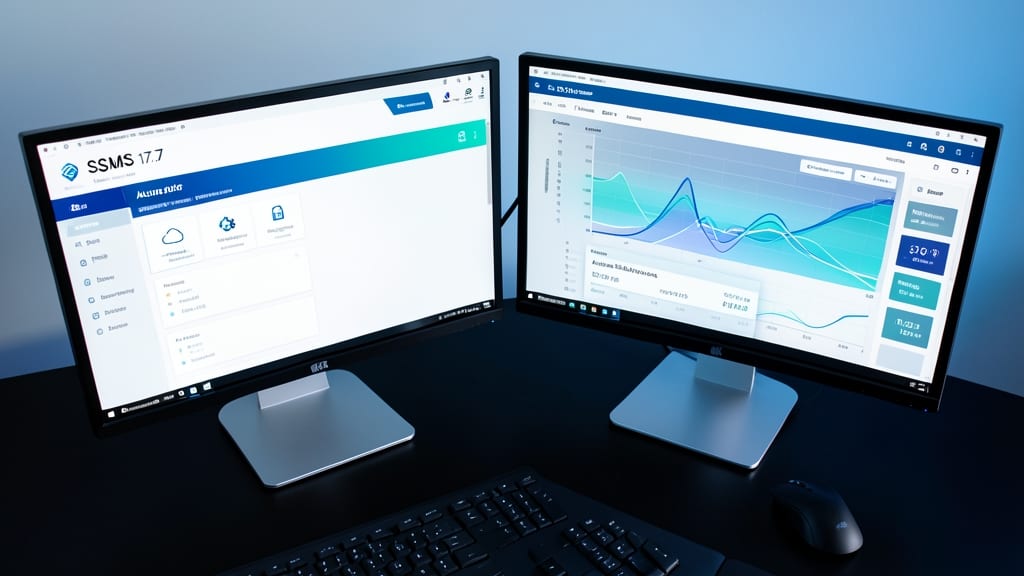
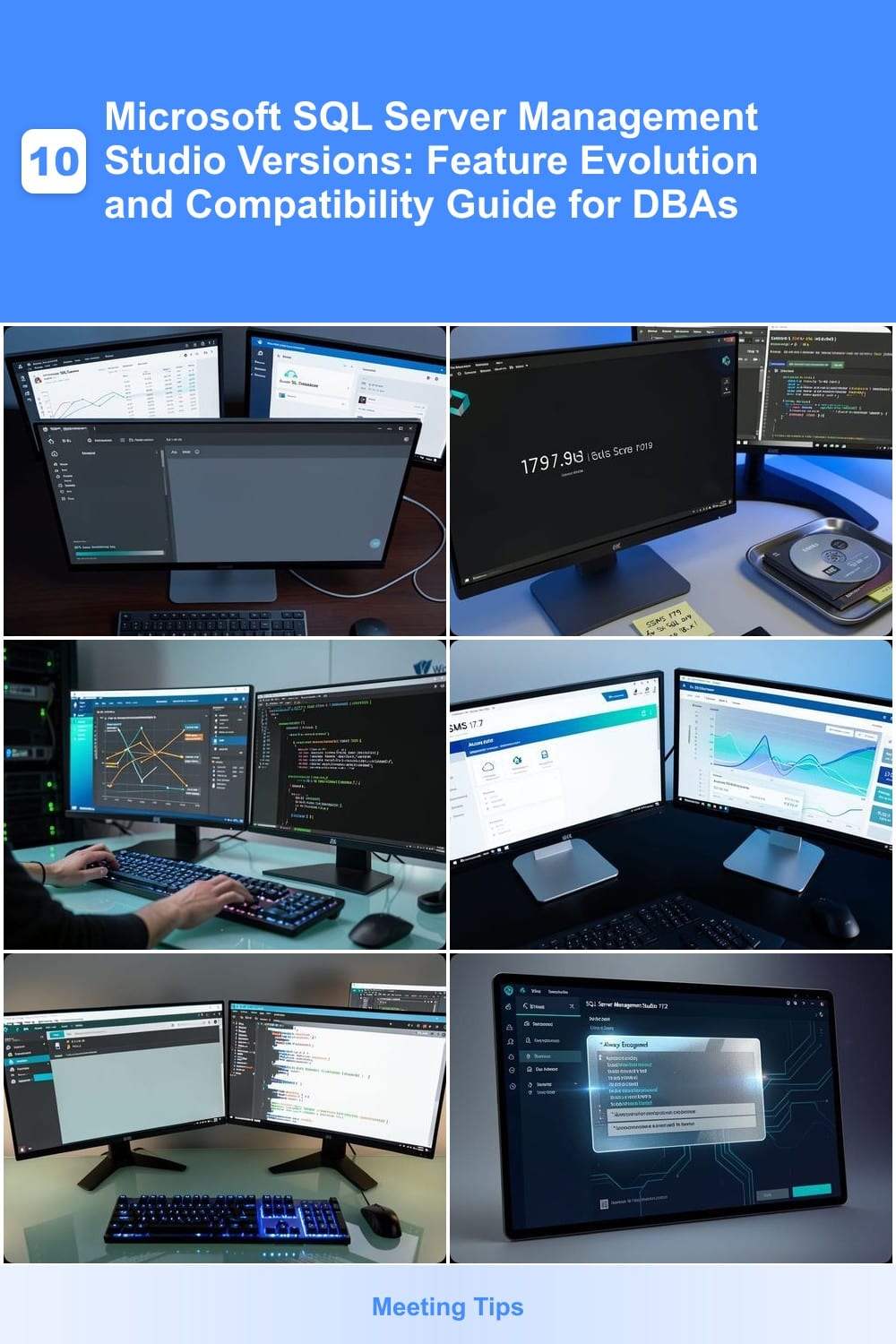
If your database strategy leans heavily on Azure SQL Database, SSMS 17.7 is the bridge you need between on-premises and cloud. This version introduced a suite of Azure-specific tools, including streamlined connection management and performance monitoring for cloud-hosted databases—features that were previously scattered across multiple plugins.
The update also refined JSON data handling, adding syntax validation, schema enforcement, and even JSON path queries directly within SSMS. This makes it easier to work with modern NoSQL-style data while keeping everything in a single interface. For teams migrating to Azure or adopting hybrid cloud approaches, these tools eliminate the need for third-party extensions. ⚡
SQL Server Management Studio 17.4

If you’re a DBA who’s tired of jumping between tools for data analysis, SSMS 17.4 is a game-changer. This version introduced native Python integration, letting you run scripts directly within the familiar SSMS interface—no external IDEs required.
The standout feature is the Python script editor, which supports libraries like Pandas, Matplotlib, and Scikit-learn for data manipulation and visualization. You can execute Python code against SQL Server data, analyze results, and even generate charts—all while staying in the same environment you use for T-SQL queries. Compatibility with SQL Server 2017 and 2019 ensures broad adoption.
This version is ideal for data-driven DBAs and analysts who want to streamline workflows without sacrificing the power of Python. 💡
SQL Server Management Studio 17.2
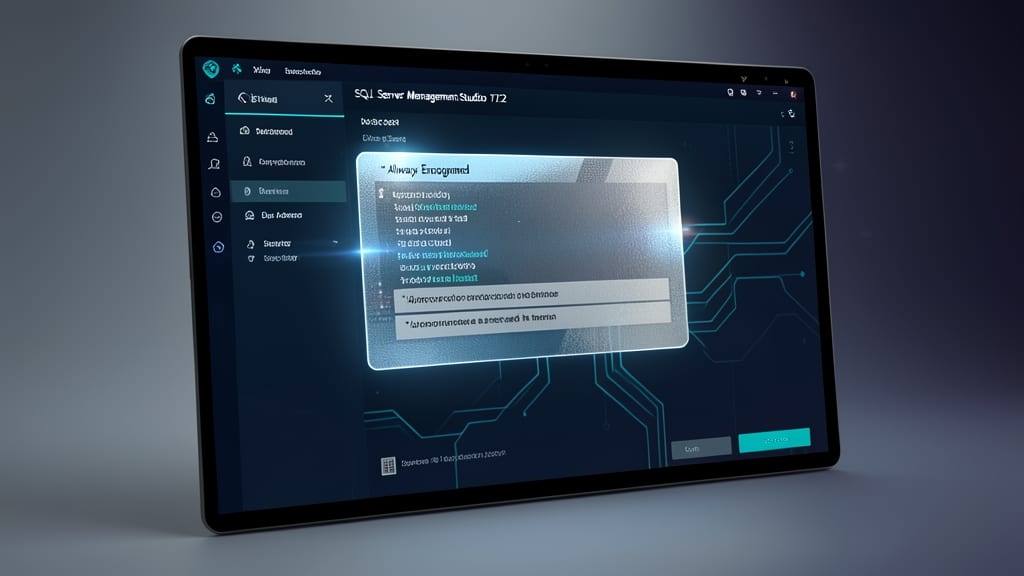
If your organization relies on SQL Server 2017 but needs airtight data protection, SSMS 17.2 delivers the critical security upgrade you’ve been waiting for. This version introduced enhanced Always Encrypted support, allowing DBAs to encrypt sensitive columns at rest and in transit without application-level changes—a game-changer for compliance-heavy industries like healthcare or finance.
The update also fixed SQL Server 2017 compatibility gaps in previous versions, ensuring stable performance for queries and backups. For teams managing PII or financial data, the column-level encryption feature lets you mask data in queries while keeping raw values secure—no more exposing decryption keys to application layers. Microsoft also patched vulnerabilities in earlier SSMS versions, making this a must-install for security-conscious admins.
This version is a non-negotiable for enterprises still on SQL Server 2017 but upgrading to newer SSMS releases. If you’re locked into this legacy version, SSMS 17.2 is your best defense against data breaches. 🔧
SQL Server Management Studio 16.5
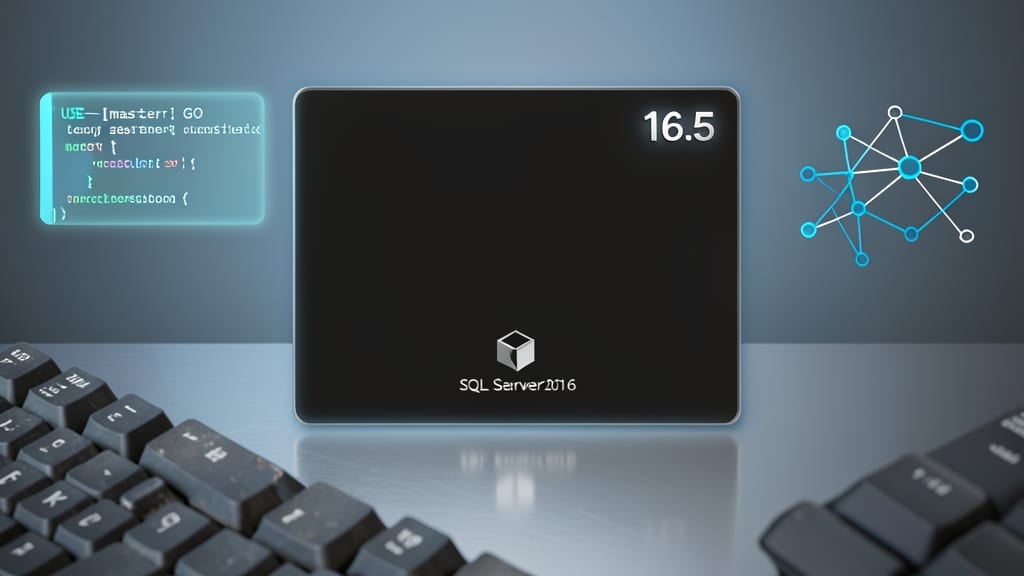
If you're managing SQL Server 2016 environments, SSMS 16.5 is your last reliable stop for full feature support. Released in 2017, this version bridges the gap between older SQL Server deployments and modern automation needs—without requiring a full upgrade path.
Key improvements include enhanced PowerShell cmdlet integration, letting you automate routine tasks like server maintenance and configuration changes directly from the console. It also introduced better Always Encrypted support (though not as robust as later versions) and refined the query execution plan visualization for troubleshooting. The Windows Server 2016 compatibility makes it a natural fit for legacy enterprise setups still running on older hardware.
This version is ideal for legacy system administrators stuck maintaining SQL Server 2016 environments while needing automation tools. It’s also a safe choice for organizations transitioning to newer versions—just be aware it lacks support for SQL Server 2019+ features. 💪
SQL Server Management Studio 16.1
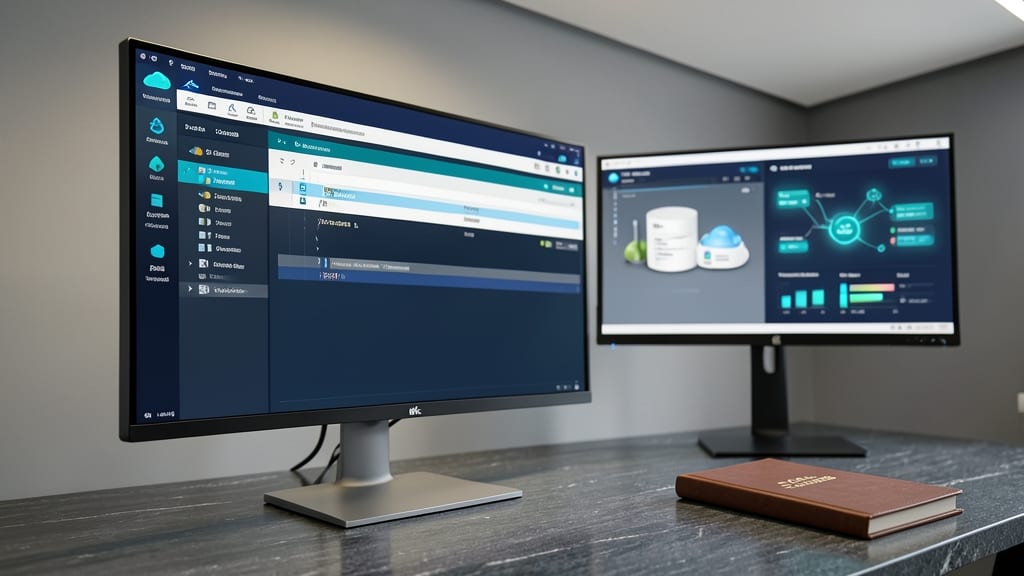
If you're managing databases that span both on-premises and cloud environments, SQL Server Management Studio 16.1 was a game-changer. Released in 2017, it introduced a refreshed UI that modernized the classic SSMS experience while maintaining backward compatibility with SQL Server 2016 and earlier versions.
The standout feature here was its enhanced Azure SQL Data Warehouse integration, allowing you to manage cloud-based data warehouses directly from the same interface you used for local databases. This version also improved query execution plans with better visualizations, making it easier to optimize performance. The ribbon-style toolbar replaced the older menu system, reducing clutter and improving workflow efficiency.
This version was ideal for teams transitioning from purely on-premises setups to hybrid cloud environments, offering a smoother bridge between traditional and modern database management. 💡
SQL Server Management Studio 13.0
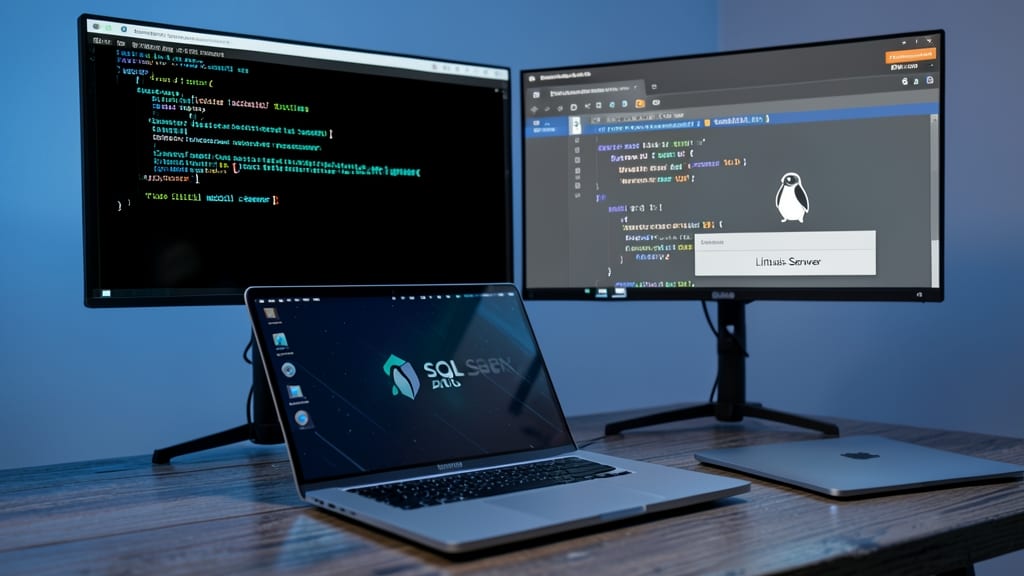
If you're running SQL Server on Linux and need a preview of cross-platform management tools, SQL Server Management Studio 13.0 was your first glimpse into Microsoft’s future. Released alongside SQL Server 2016, this version introduced experimental Linux server support, letting early adopters connect to SQL Server on Ubuntu, RHEL, and SUSE—something unthinkable just years prior.
The standout feature was its ability to manage SQL Server 2016 on Linux via a Windows-based SSMS client, bridging the gap between Microsoft’s traditional ecosystem and the growing Linux server market. While still in preview, it included basic query execution, schema browsing, and job agent management—enough to test workflows before full Linux-native tools arrived. The cross-platform connection capability was revolutionary for DevOps teams already embracing hybrid environments.
This version was a must-try for pioneers experimenting with SQL Server on Linux before Microsoft’s official Linux tools matured. For those managing mixed environments, it offered a rare glimpse into the future of database administration. ✨
SQL Server Management Studio 2014

If you're tracing the roots of modern SSMS, SQL Server Management Studio 2014 is where it all began for the SQL Server 2014 era. This version introduced the Query Store, a game-changer for performance troubleshooting by automatically tracking query history and runtime stats—something that would later become a staple in every SSMS release.
The Query Store wasn’t just a feature—it was a paradigm shift, letting you compare execution plans, identify regressions, and force plans without manual intervention. For teams managing high-transaction workloads, this was the first step toward automated performance insights, a concept that would evolve into today’s advanced monitoring tools. It also refined SQL Server 2014’s in-memory OLTP support, making it easier to optimize critical workloads.
This version remains a critical reference point for understanding how SSMS evolved from a basic GUI to a powerhouse for database management. Developers and DBAs still maintaining legacy systems will find its Query Store fundamentals directly relevant to modern troubleshooting techniques. ✨