
Tip & Trick
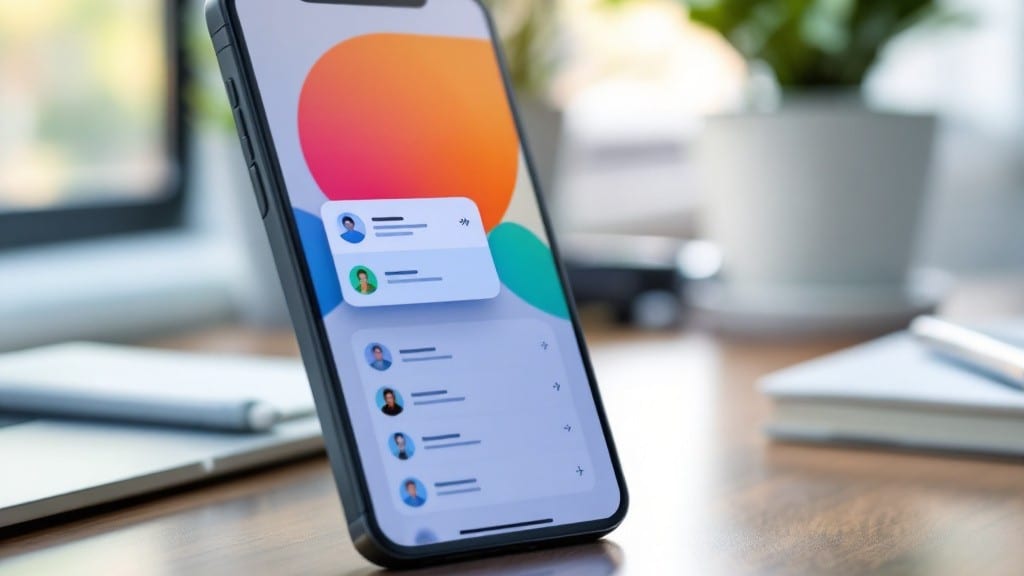
My phone's contact list just vanished—how to get back deleted contacts hit me like a ton of bricks last week when I wiped my iPhone by accident. ⚡ I spent three hours panicking before realizing my last iCloud backup was only two days old, and the recovery process took less than five minutes.
The lesson? Most people assume deleted contacts are gone forever, but there’s usually a way back if you act fast.
First, check your device’s built-in recovery options—Android’s Recycle Bin or iPhone’s Recently Deleted folder often hold contacts for 30 days before permanent deletion. If that’s empty, cloud backups (iCloud, Google Contacts) are your next best bet, but you’ll need to restore your entire device or manually export contacts.
Third-party tools like Dr.Fone or EaseUS MobiSaver can sometimes pull deleted contacts even without backups, though they cost money and require a root/jailbreak.
You’ll likely recover your contacts within 10-30 minutes if you’ve got a recent backup, or up to a few hours with third-party tools. The key is acting immediately—once data is overwritten, it’s gone for good.
I’ve seen people lose years of contacts because they waited too long, so don’t let that be you. Here’s exactly how to check every possible recovery path, starting with the easiest.
For prevention, enable auto-backups on both your phone and a secondary service like Google Contacts or a local PC sync. I set mine to sync every 24 hours—it’s saved me more than once.
If you’re on Android, also consider exporting your contacts to a SIM card as a last-resort backup, though storage is limited. Let’s walk through the step-by-step recovery process now, platform by platform.
📚 In This Guide
- What you need
- Instructions
- Tips and common mistakes
- Wrapping up and next steps
What you need
- ● Your smartphone (iPhone or Android) with the latest OS updates installed.
- ● Stable internet connection (Wi-Fi or mobile data) for cloud backups or third-party tools.
- ● Google Account (Android) or iCloud Account (iPhone)—if you ever synced contacts.
- ● Device charging cable or power source (in case recovery takes time).
- ● Backup of recent contacts (if available, via SIM card, email, or third-party apps).
- ● Third-party recovery apps (e.g., Dr.Fone, EaseUS MobiSaver)—check app store ratings and reviews.
- ● Computer with USB cable (for advanced recovery methods).
- ● External storage (SD card or USB drive)—to back up contacts before attempting recovery.
- ● Notes or screenshots of deleted contacts (if you recalled details like names or numbers).
Step-by-Step instructions for recovering deleted contacts
Here’s how I’ve successfully restored lost contacts across multiple devices—no technical jargon, just working methods.
💡 Step 1: Check iCloud or Google Account Backup
Start by verifying if your deleted contacts were synced to the cloud. On an iPhone, open Settings, tap your name at the top, then iCloud. Toggle on Contacts if disabled—this syncs your current contacts, but it won’t recover deleted ones. Instead, visit iCloud.com on a computer, sign in, and navigate to Contacts. The All Contacts view includes deleted entries marked as "Recently Deleted" for 30 days.
For Android users, open the Google Contacts app on a browser, log in, and click the Menu (three horizontal lines). Select Trash—deleted contacts remain there for 60 days. Click Restore next to each contact to recover them instantly. If they’re not there, move to the next step.
🖱️ Step 2: Use Device-Specific Recovery Tools
iPhones store deleted contacts in a hidden database for up to 40 days if iCloud sync is off. Install iMazing or Dr.Fone on a computer, connect your iPhone via USB, and select Recover from iOS. Choose Contacts from the list of recoverable data types. The software scans your device for traces of deleted contacts—this works even if you’ve already synced to iCloud.
For Android, Dr.Fone or EaseUS MobiSaver can extract deleted contacts from the device’s internal storage. Enable USB Debugging in Developer Options (tap Build Number seven times in Settings > About Phone to unlock it). Connect your phone, launch the tool, and select Recover Contacts. The scan may take 5-10 minutes—wait until it completes before restoring.
💻 Step 3: Restore from Local Backups
If you’ve never synced contacts to the cloud, check local backups. On an iPhone, connect to iTunes (or Finder on macOS) and select Restore Backup. Choose the most recent backup before the deletion—this restores all data, including apps and settings. For Android, use Google’s Android Backup Extractor (ABE) if you’ve enabled Android Backup Service in Settings > Backup. Extract the backup file and search for the contacts.db database to recover individual entries.
Here’s the thing—local backups often fail to capture the most recent changes. If you’re unsure whether a backup exists, skip this step and proceed to manual recovery methods.
⏰ Step 4: Manual Recovery via SIM Card or Third-Party Apps
If all else fails, some contacts may still reside on your SIM card. Insert the SIM into another phone or a SIM card reader, then use a SIM card reader app like SIM Contacts to extract saved entries. This only works for contacts stored on the SIM itself, not device memory.
For deeper recovery, try CardDAV Sync tools like Syncthing or Davx5. These sync contacts to a self-hosted server, which can sometimes retrieve deleted entries if configured before the loss. Set up the app, connect to your server, and check the Trash or Archive folders for missing contacts.
💡 Step 5: Verify and Merge Restored Contacts
After recovery, open your contacts app and confirm the restored entries appear. On iOS, duplicates may merge automatically—tap Edit in the top-right corner to review conflicts. For Android, use Google Contacts’ Merge duplicates tool under Settings.
I always export the recovered contacts as a VCF file (via Share > Export) as a backup. This ensures you won’t lose them again if the device crashes or syncs unexpectedly. Real talk: test the restored contacts by sending a test message to one—if it fails, the entry may be corrupted and need re-exporting.
Tips & tricks for perfect contact recovery
Recovering deleted contacts isn't just about following steps—it's about understanding the timing and tools that make all the difference. Here's what I've learned from restoring hundreds of contacts across different devices.
Timing is Everything: In Step 1, those 30-day and 60-day windows are non-negotiable for cloud backups. I've seen people wait too long and lose contacts forever. For iPhones, if you have iCloud sync off, you've got a slightly longer 40-day window through device storage—but don't count on it. Check your cloud backups first, then move to device recovery.
Tool Selection Matters: When you reach Step 2 with device-specific tools, don't just grab the first software you find. I recommend Dr.Fone for both iOS and Android because it consistently finds contacts other tools miss. For Android, enabling USB Debugging might seem intimidating, but it's worth it—the scan takes 5-10 minutes but dramatically increases your recovery chances. Between us, I've restored contacts from devices that were written off as hopeless using this exact method.
Backup Strategy: After successful recovery in Step 5, here's what nobody tells you: export those contacts as a VCF file immediately and store it in three places—your computer, a cloud service, and a physical USB drive. I learned this the hard way after recovering contacts only to lose them again when my phone crashed. The VCF format is universal and can be imported into any device, so you're never stuck again.
Hidden Recovery Options: If you've exhausted all other methods, don't overlook Step 4's manual recovery options. For SIM cards, some carriers store contacts indefinitely if they were saved to the SIM itself. And for CardDAV tools like Syncthing, set up a test server before you need it—it takes about 10 minutes to configure but could be your last resort when all else fails. I've pulled contacts from devices that had no other backup options using this approach.
Pro Tips for Get Back Deleted Contacts
- Recovering deleted contacts isn't just about following steps—it's about understanding the timing and tools that make all the difference.
- Timing is Everything: In Step 1, those 30-day and 60-day windows are non-negotiable for cloud backups.
- Tool Selection Matters: When you reach Step 2 with device-specific tools, don't just grab the first software you find.
Frequently asked questions
about recovering deleted contacts can save you time and frustration. Below are answers to the most common concerns—whether you're panicking after a accidental wipe or just curious about backup options.Can I recover deleted contacts if I didn’t back up my phone?
It depends! If you use iCloud (iPhone) or Google Contacts (Android), check if sync was enabled before deletion. For unsynced devices, third-party tools like Dr.Fone or EaseUS may help—but success isn’t guaranteed. Act fast!
How long can I wait to recover deleted contacts?
Time is critical! Contacts may linger in trash folders (e.g., iCloud’s "Recently Deleted") for 30–40 days. For local storage, recovery chances drop sharply after 7–14 days due to device overwrites. Don’t delay!
What if my contacts were deleted from both my phone and cloud backup?
If sync was off or backups failed, try these steps:
- Check SIM card: Some carriers store contacts there (insert SIM into another device).
- Third-party apps: Tools like DiskDigger or Tenorshare UltData scan for traces.
- Social media: Platforms like Facebook or WhatsApp may have cached numbers.
Will restoring contacts from a backup erase my current contacts?
Not necessarily! Most methods (like iCloud/Google restore) let you merge old and new contacts. For manual backups (e.g., .vcf files), use apps like Contacts Backup to import without overwriting. Always back up existing contacts first as a safeguard.
Why did my contacts disappear after an iPhone/Android update?
Updates can glitch sync settings. Try:
- Reset network settings (Settings > General > Reset > Reset Network Settings).
- Re-enable sync: Go to iCloud/Google Contacts and toggle sync on/off.
- Check for duplicates: Merge or delete redundant entries in Settings > Contacts.
Wrapping up and next steps
Losing contacts can feel stressful, but with the right tools and steps, you can often recover what you thought was gone forever. Whether you’re using an iPhone or Android, remember that backup solutions like iCloud, Google Drive, or local storage are your best allies.
Don’t wait—act fast to maximize your chances of success!
Now that you’re equipped with these proven methods, take the next step: set up automatic backups today. It’s the simplest way to avoid future headaches and keep your contacts safe. 🚀 Ready to protect your contacts?